
Extremity Active Radiation Dosimetry
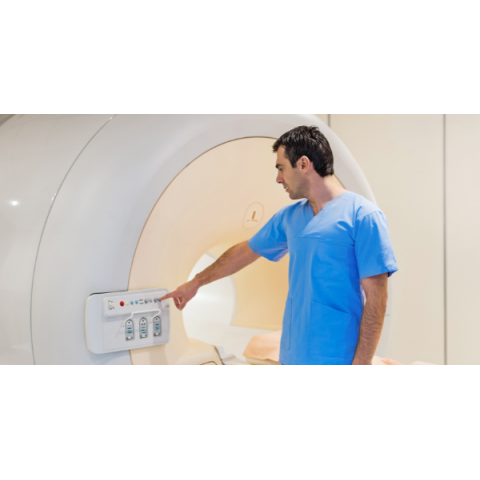
There are many industries and applications, where employees are required to work in close proximity to a radioactive source. In some cases, exposure to a radiation source can be concentrated on the extremities, such as the hands and fingers. Traditional dosimetry may not be accurate with a dosimeter worn on the body.
Personal Radiation Dosimetry
Personal radiation dosimetry is one of the most commonly used forms of radiation exposure protection. For example, employees working in radiology on a continual basis near X-ray machines will often wear a badge or device, which indicates the level of radiation they have been exposed to.
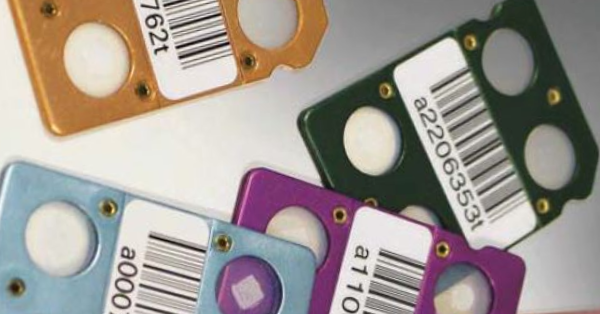
There are two types of dosimetry available: the passive type -- usually in the form of TLD badges, and the active type, such as the electronic personal dosimeters.

Electronic radiation dosimeters have the advantage of being able to give an immediate alert and can be networked via a Bluetooth mesh.
The passive badges, however, only provide measurements periodically, but are cheaper to buy. Once they are sent to the laboratory to be “read” to know if anyone has been exposed to an unacceptable level of radiation.
Customers are recommended to contact ARPANSA , or their state-based regulator for advice on what is considered a safe level of radiation, and what safety standards are in force in Australia.
Please contact ADM Nuclear Technologies for further information.
IS THIS INFORMATION USEFUL?
If so, why not share it with your peers and colleagues. Simply click on the blue LinkedIn share icon below.